 alt Hacker News
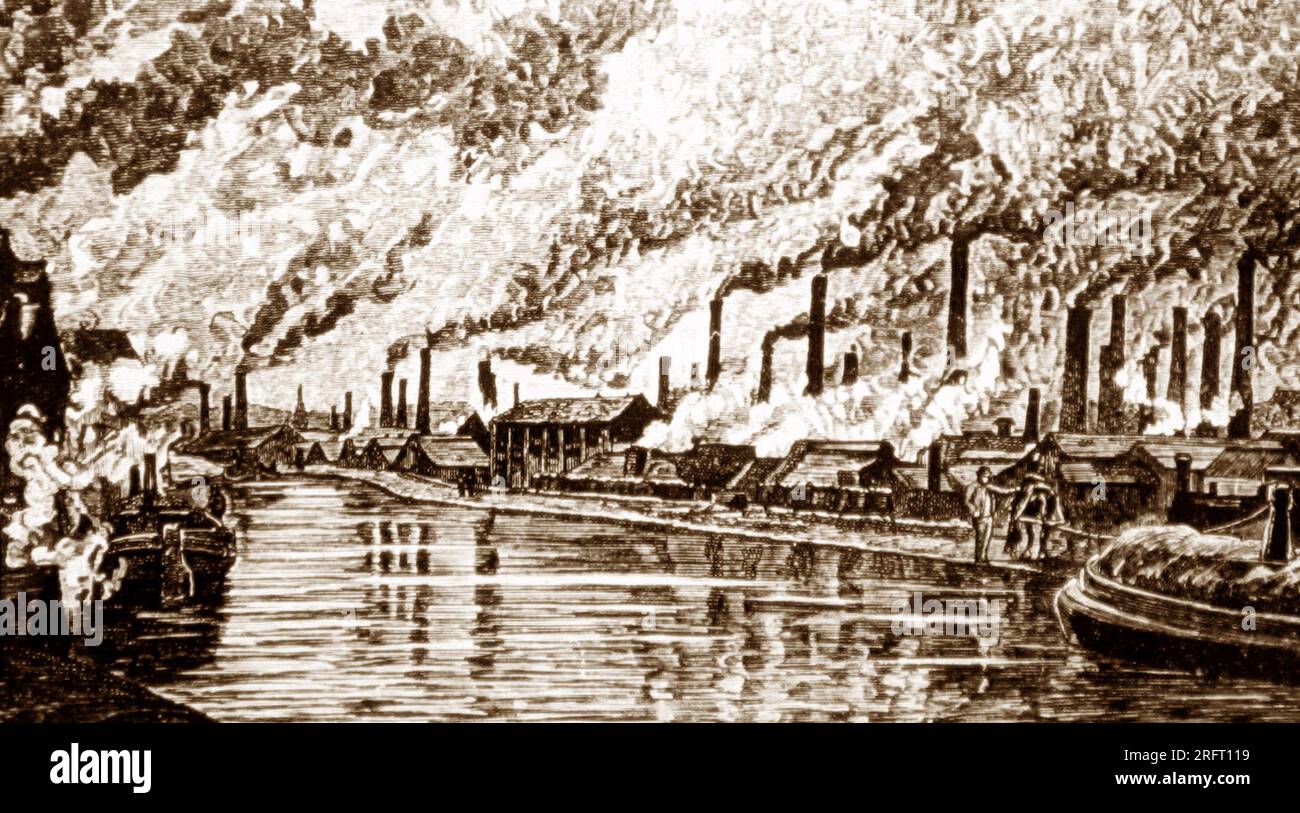
The situation may be even more different from fuel. The memory shortage may be just a first of such crisis to come - the shortage of anything related to AI/robotics (from electricity to materials needed to produce robots and for the robots to produce even more robots). I think we have a runaway situation - the more of AI/robots produced, the more is demand for such production. The difference from classic production/manufacturing here is that AI/robots is a consumer itself. In the past the only consumers were people and human population growth is slow whereis AI/robots "population" is starting to explode. (Like Industrial Revolution on steroids - back then getting a steam engine to power your machinery was not just a jump in productivity, it was a jump without which you couldn't compete, and so everybody was getting it https://c8.alamy.com/comp/2RFT119/illustration-of-factories-... (and just for fun compare to https://www.reuters.com/resizer/v2/6BC2YPEXOZCGJKEO4LWH7CTLI... ) - fortunately for England back then getting a steam engine to produce more steam engines to thus make more and longer jumps in productivity didn't really work that fast and efficient whereis today the situation is becoming more favorable for such productivity multiplication)

Wrt. the memory efficiency - considering that AI is going to be the main workload by far and thus will vacuum in majority of the available optimization resources - be it humans or coding AI - i think it will be even less chances that any meaningful resources will be spent on optimizing on the fringe, ie. the users' OS/browser/etc.
This makes me think of Factorio. When you make a breakthrough like getting robots, what do you do with it? Use it to make more robot factories.
But in the real world, haven't we got to see whether all this investment will pay off? What happens if it turns out people actually don't want to pay for this?