 alt Hacker News
https://jrcpl.us/contrib/2020/gardening-for-engineers/img/te...
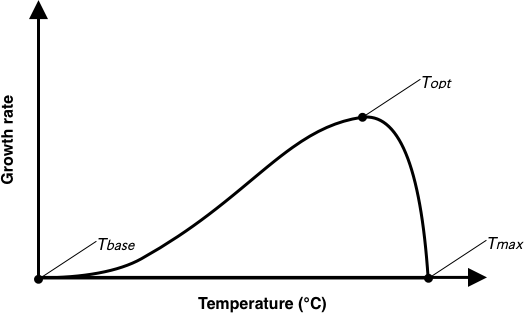
>Crucially, there is a tradeoff between growth rate and growth quality. Higher temperatures can result in faster growth but also thinner stems, weaker roots, and less flavor.
I think the quote taken at face value is misleading, or may just be wrong.
In my own experience (quite a bit over the last ~8 years), if high temperatures (T_opt, not T_max) are accompanied by longer and more intense daylight as well as adequate water and nutrition, it will consistently result in thicker stems, stronger roots, and better flavor. And since higher temperatures in the summer typically coincide with longer days and more intense sunlight, this is the most common outcome. Lacking water or nutrition under these conditions, plants will usually stall their growth rather than grow thinner or weaker.
The only times I can think of that the quoted statement is true is with, eg, indoor seed starts that are given a warm environment with plenty of water and nutrition, but that lack sunlight or artificial light, or light-adapted plants grown outdoors in too much shade.
The clearest counter example that comes to mind is tomatoes, which IMO taste their best, and are by no means thin or weak, when they are growing the fastest.